By on February 3, 2026 - 1:32pm
Hygienic Dispossession: Land Theft and Public Health in Cherokee and Choctaw Nations, 1917
Please join the Heberden Society on Wednesday, March 4, 2026 at 5 PM EST for "Hygienic Dispossession: Land Theft and Public Health in Cherokee and Choctaw Nations, 1917."
In 1917 the Office of Indian Affairs (OIA) sent field matrons into Cherokee and Choctaw homes in Eastern Oklahoma to provide health education, to induce families to rebuild their homes according to Western standards, and to flag gravely ill people for removal to hospitals. In their reports on the “health drives,” OIA officials ignored the fact their own government had created the perfect conditions for infectious diseases, especially tuberculosis, to thrive in the first place. Moreover, the results of these campaigns were limited epidemiologically but catastrophic for the Indigenous people involved and their tribal nations: Health drive staff pressured sick and disabled Cherokees and Choctaws to sell their lands in order to finance home “improvements” and institutionalizations. I term this process “hygienic dispossession” and argue that disease and Western public health interventions were powerful weapons of Indigenous dispossession in the early twentieth century. The 1917 health drives were some of the largest, but not the first, U.S. attempts to alienate Native people from their lands under the promise of improving their health. This talk traces these precedents as well as the aftermath of 1917. Today, as tribal nations continue to grapple with health crises and threats to their sovereignty, it is critical to draw connections between land and health and to develop new strategies that bolster both.
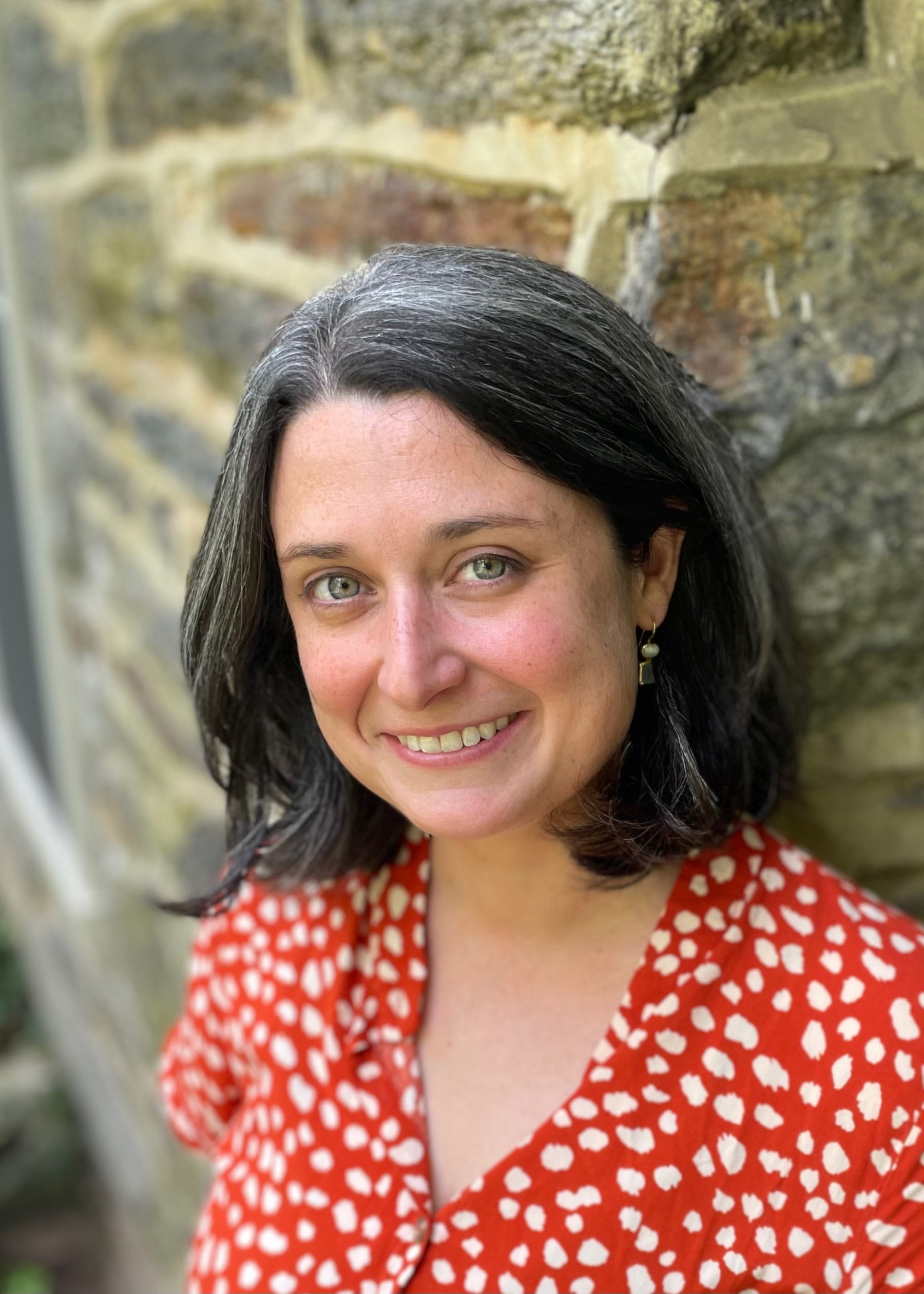
Dr. Larkin-Gilmore is an Assistant Professor of History, Health Humanities, and Race & Ethnic Studies at Penn State, Abington College. Her research focuses on the health of tribal nations along the Lower Colorado River in the late nineteenth and early twentieth centuries. Her current book project is titled Mobile Medicine: Public Health and Indigenous Lives on the Lower Colorado River, 1890–1930 and examines the relationships between Native people’s mobility and federal public health policies.
This is a virtual lecture. A recording of this event is available here.
Blog Category: News and Announcements